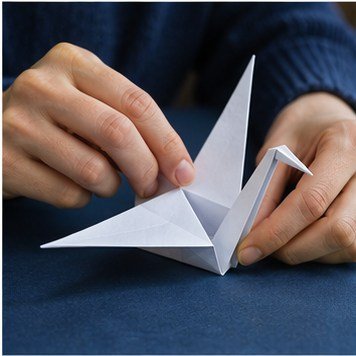
A clear demonstration gives learners a chance to follow, pause, and ask for help before the next fold begins.
Origami can bring geometry, literacy, art, and collaboration into a classroom or library program. The best lesson is not always the most complicated model. A short sequence with visible progress gives learners time to understand directions, practice fine motor skills, and help one another. A carefully prepared lesson can make a complex-looking craft feel approachable without rushing the people learning it.
Choose a model for the room
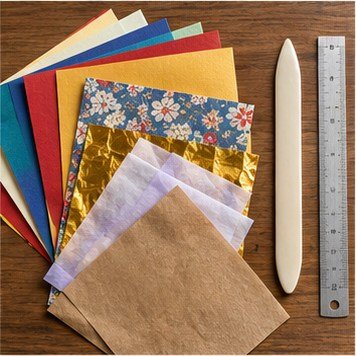
Consider age, group size, time, paper access, and how much assistance you can provide. A model with a small number of folds may be right for a first session, while a group that already knows basic folds can take on a longer sequence. Test the model yourself before teaching it.
Demonstrate one step at a time
Hold the paper so learners can see the same orientation you are describing. Use consistent words such as edge, corner, crease, valley, and mountain. Pause after each step, scan the room, and show the result from more than one angle before moving forward.
Make room for different results
Students may need extra time, larger paper, or a partner. Praise careful attempts and let learners compare strategies rather than judging every model against a perfect sample. Invite participants to explain one fold they found useful; that reflection helps make the next project easier.