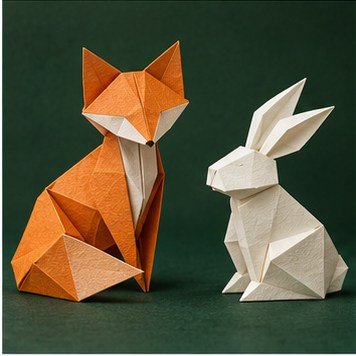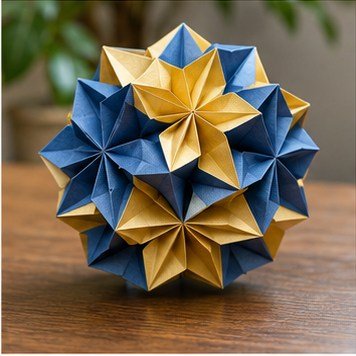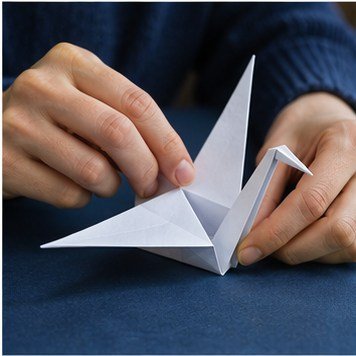
Begin with a simple model and follow one crease at a time. Read the whole sequence before you start, then compare each fold with the diagram or demonstration you are using. If a result looks different, unfold gently and find the point where the edges stopped aligning. Small corrections early are easier than forcing later layers into place.
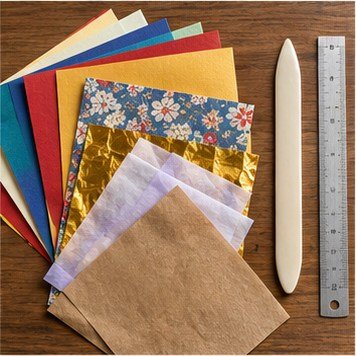
Origami rewards attention more than speed. A clean square, a steady surface, and clear creases give you a good start. You do not need a special kit to make your first model; ordinary paper and a few minutes are enough to explore how folds change a flat sheet into a three-dimensional form.
Set up a comfortable workspace
Choose a firm, uncluttered table with enough light to see corners and crease lines. Place the paper with the color or finished side facing the direction shown in your instructions. Smooth folds with a fingertip or the side of a fingernail; a bone folder is optional, not a requirement.
Make a crease you can trust
Bring the target edges together before pressing. Hold the corners in place, check that the paper lies flat, then run a finger along the fold from the center outward. A crisp crease helps later layers line up, but pressing too hard can tear thin paper or leave marks on delicate surfaces.
Learn from the reset
Unfolding is part of folding. If a point is off, return to the last clear step rather than adding pressure to hide the mismatch. Keep early attempts nearby so you can compare what changed. Repeating a model teaches sequence, symmetry, and how paper responds to direction.